


1,000 Graft Hair Transplant: Before and After Results
1,000 Graft Hair Transplant: Before and After Results

1,000 Graft Hair Transplant: Before and After Results
If you are in the early stages of hair loss, you may be wondering: what can 1,000 grafts actually achieve?
A 1,000 graft hair transplant is typically used for smaller, targeted areas, most commonly the hairline or temples. It is often suitable for patients experiencing early hairline recession or mild thinning rather than widespread hair loss.
However, understanding what 1,000 grafts can realistically deliver is essential.
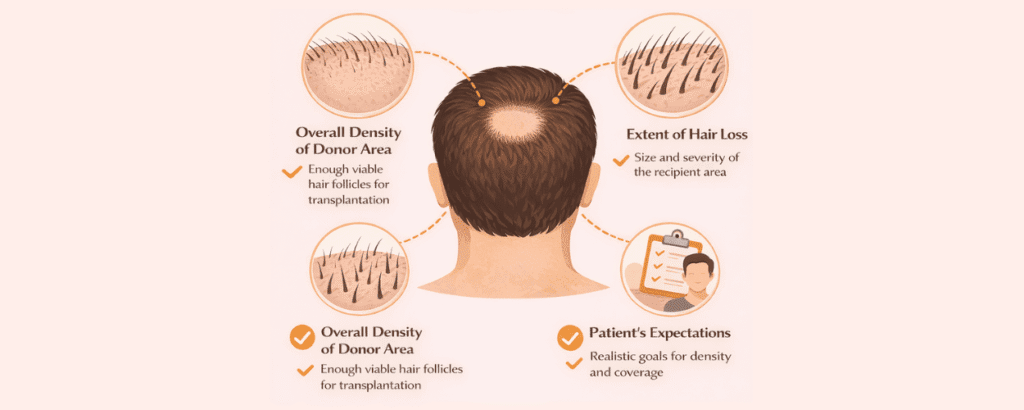
The final result depends on several factors, including:
- Your level of hair loss
- The strength and density of your donor area
- The thickness and characteristics of your hair
- How the grafts are distributed and designed
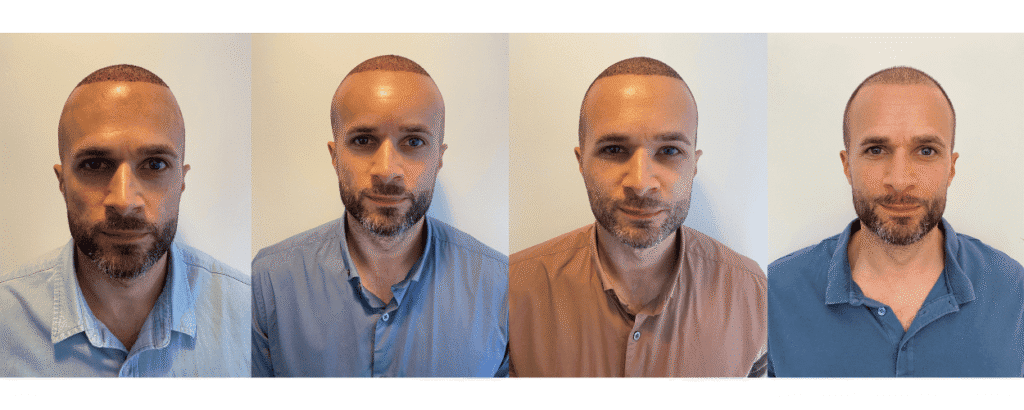
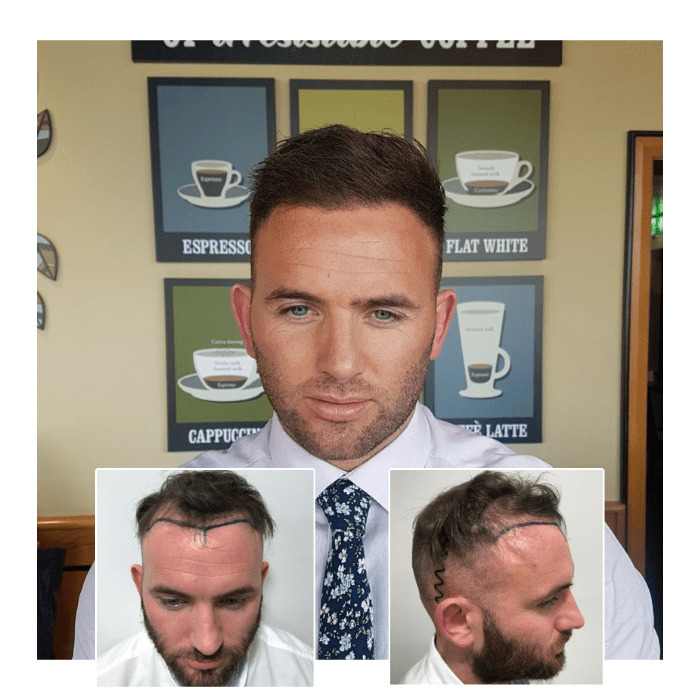
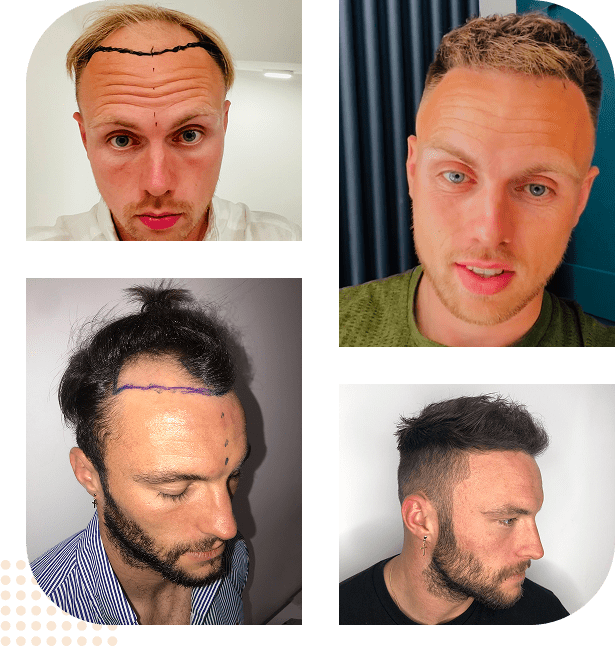
Looking at before and after results is one of the best ways to understand what is achievable with this type of procedure.
What Is a 1,000 Graft Hair Transplant?
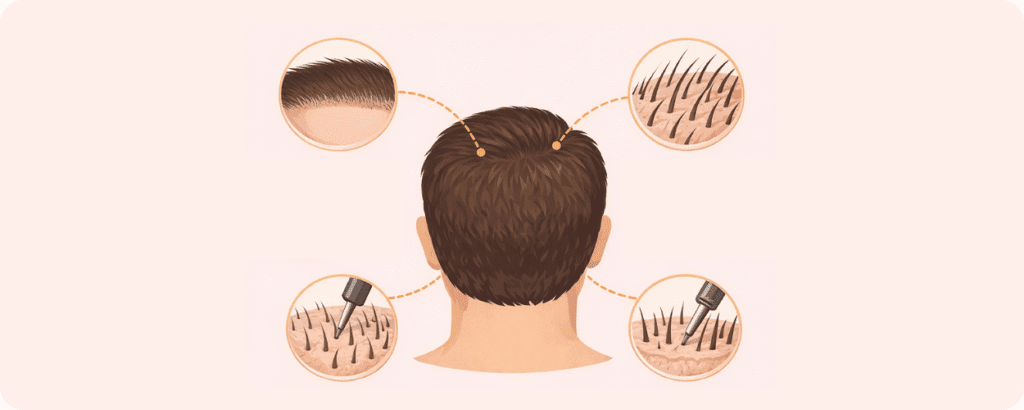
A graft is a small unit of hair taken from the donor area, usually from the back and sides of the scalp.
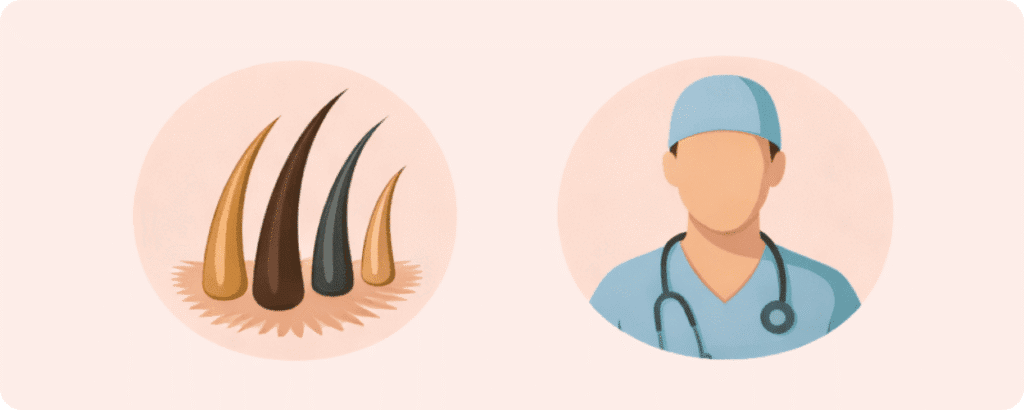
Each graft typically contains:
- 1 to 4 hairs
- An average of around 2 hairs per graft
This means a 1,000 graft hair transplant usually equates to approximately: 2,000 hairs transplanted
These grafts are carefully extracted and implanted into areas of thinning to improve density and restore a natural hairline.
What Areas Can 1,000 Grafts Cover?
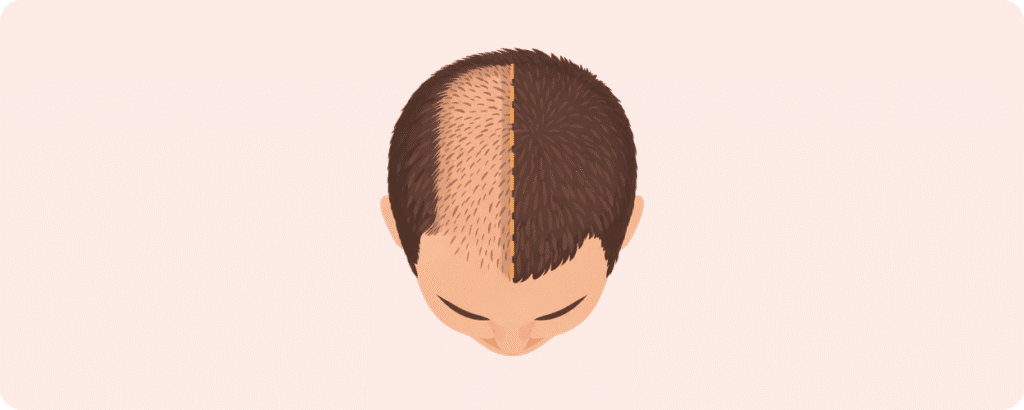
A 1,000 graft procedure is generally focused on smaller, high-impact areas, rather than full coverage.
Hairline Refinement
The most common use of 1,000 grafts is improving or refining the hairline.
This can include:
- Filling in receding temples
- Strengthening a thinning hairline
- Creating a more defined frontal edge
Even a relatively small number of grafts can make a noticeable difference in how the face is framed.
“One thousand grafts can create a surprisingly strong visual improvement when they are focused in the right areas. For many patients with early recession, refining the hairline and temples can significantly improve overall facial framing without requiring a larger procedure.”
Darryl King, Hair Consultant at Capital Hair Restoration
Temple Restoration
For patients with early recession, grafts can be placed specifically in the temple areas to:
- Rebalance the hairline
- Improve symmetry
- Restore a more natural shape
Targeted Density Improvement
In some cases, 1,000 grafts are used to:
- Increase density in a small thinning area
- Blend transplanted hair with existing hair
- Improve overall appearance without major coverage
Before and After: What to Expect
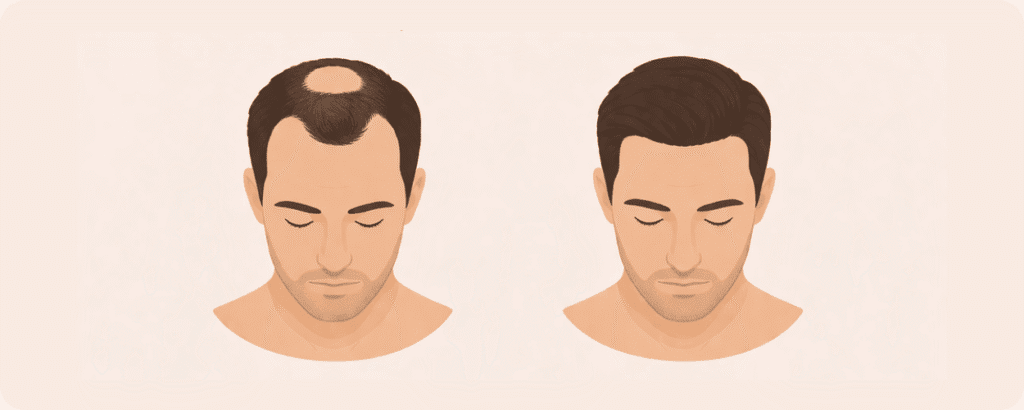
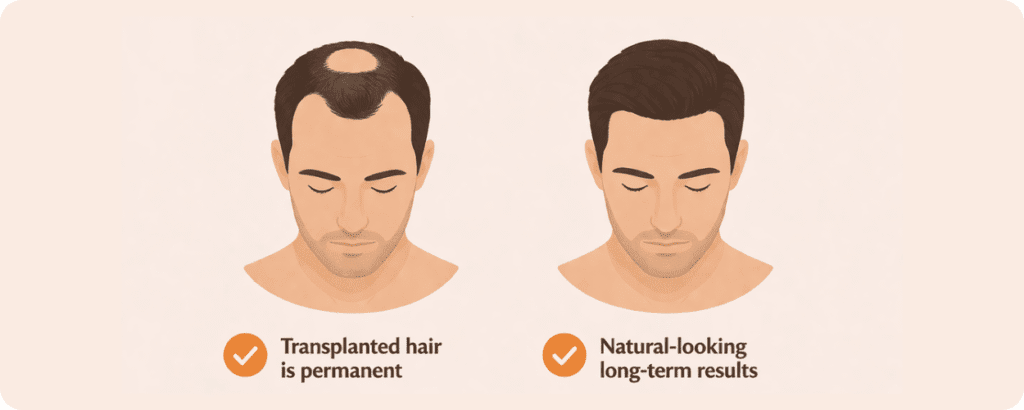
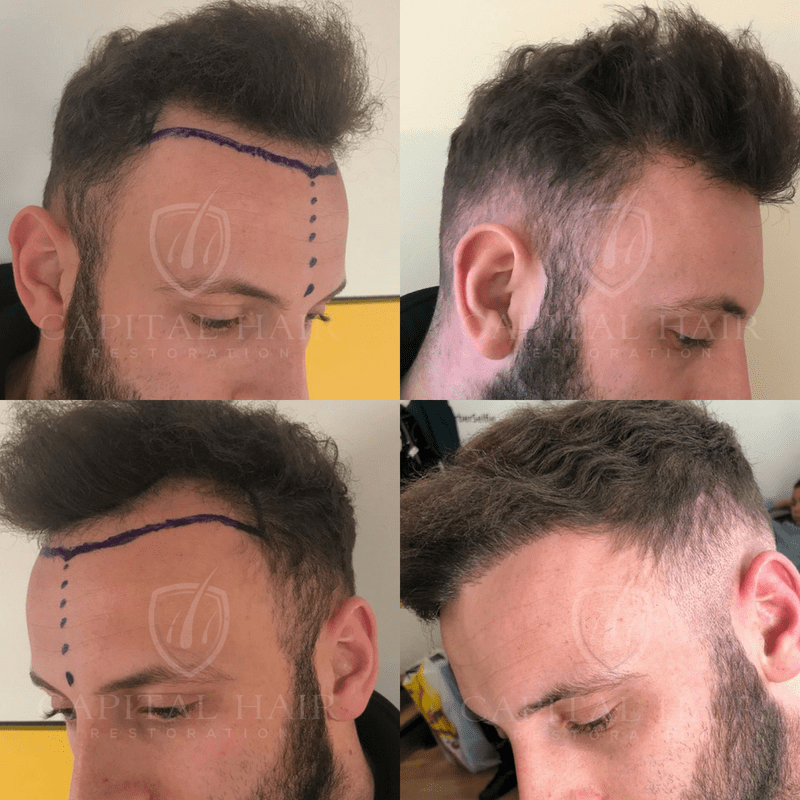
When reviewing 1,000 graft hair transplant before and after results, it is important to understand that the change is often subtle but highly effective.
Before the Procedure
Patients suitable for 1,000 grafts typically have:
- Mild to moderate hairline recession
- Early-stage thinning
- Good existing hair that needs strengthening
The goal is not full restoration, but refinement and improvement.
After the Procedure (Early Stage)
Immediately after surgery:
- The hairline shape will be visible
- Redness and small scabs will appear
- The grafts will begin to settle
Within a few weeks, most of the transplanted hairs will shed as part of the normal hair cycle.
“The success of a 1,000 graft procedure is not about chasing maximum density. It is about strategic placement, natural design, and blending the transplanted hair seamlessly with the patient’s existing hair.”
Steven Ambrose, Hair Consultant at Capital Hair Restoration
1,000 Graft Hair Transplant Results Timeline
Understanding the timeline is essential when looking at 1,000 graft hair transplant before and after results.
Hair growth is gradual, and the final outcome develops over several months.
Weeks 1–2: Healing Phase
In the first couple of weeks after the procedure:
- Small scabs form around each graft
- Mild redness and sensitivity are common
- The grafts begin to settle into place
At this stage, the focus is on healing rather than visible results.
Weeks 2–4: Shedding Phase
During this period:
- The transplanted hairs begin to fall out
- The follicles remain intact beneath the skin
- The scalp continues to recover
This shedding phase is completely normal and is part of the natural hair growth cycle.
Months 3–4: Early Growth
New hair begins to grow from the transplanted follicles.
- Hair appears fine and light at first
- Growth may seem uneven
- Early changes become noticeable
This is the beginning of the transformation.
Months 6–9: Visible Improvement
At this stage:
- Hair becomes thicker and more consistent
- The hairline looks more defined
- Density improves in the treated areas
The results are now clearly visible, although still developing.
12 Months and Beyond: Final Result
By around 12 months:
- Hair reaches full maturity
- Density and texture improve further
- The result blends naturally with existing hair
The outcome is typically subtle, natural, and well-integrated.
What Density Can 1,000 Grafts Achieve?
A 1,000 graft hair transplant is designed to refine and enhance, rather than dramatically increase density.
Results depend on:
- Hair thickness and texture
- Hair colour and scalp contrast
- The size of the treatment area
- How the grafts are distributed
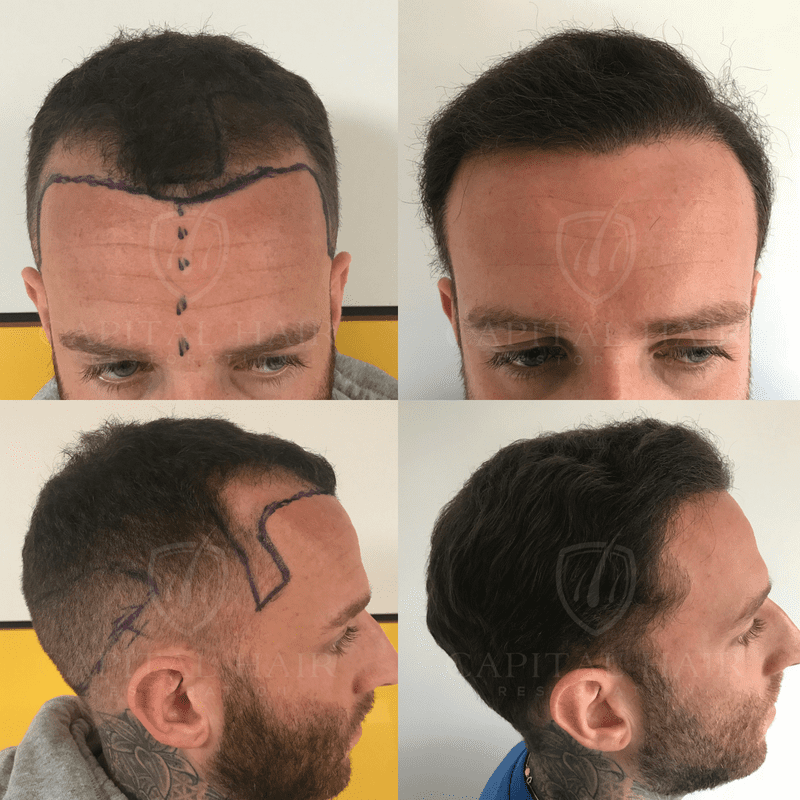
When focused on a small area such as the hairline, 1,000 grafts can create a noticeable and natural improvement.
However, when spread too thinly across a larger area, the visual impact will be reduced.
Is 1,000 Grafts Enough for a Hair Transplant?
This is one of the most common questions for patients in the early stages of hair loss.
The answer depends on your individual situation.
1,000 Grafts May Be Enough If:
- You have early-stage hair loss
- Your main concern is the hairline or temples
- You want to refine rather than fully restore
- You have strong existing hair to blend with
1,000 Grafts May Not Be Enough If:
- Hair loss is more advanced
- You require coverage across a larger area
- You are looking for significant density increase
In these cases, a larger procedure may be more appropriate.
What Affects 1,000 Graft Hair Transplant Results?
While 1,000 grafts can deliver excellent results in the right case, the outcome depends on several important factors.
-
Donor Hair Quality
The donor area determines what is possible.
Thicker, denser hair provides:
- Greater coverage per graft
- Stronger visual density
- More flexibility in design
Finer hair can still produce good results, but requires more precise placement.
-
Hairline Design
With smaller procedures, design becomes even more important.
A well-designed hairline should:
- Match your age and facial structure
- Follow a natural, irregular pattern
- Blend seamlessly with existing hair
Even with 1,000 grafts, the right design can create a significant visual improvement.
-
Graft Placement and Distribution
Because graft numbers are limited, placement must be strategic.
This includes:
- Focusing on high-impact areas (hairline and temples)
- Creating density where it matters most visually
- Blending with surrounding hair
Precision is key to achieving a natural result.
-
Aftercare and Healing
Following proper aftercare supports graft survival and growth.
This includes:
- Gentle washing as instructed
- Avoiding unnecessary contact
- Attending follow-up appointments
Good aftercare helps ensure the best possible outcome.
1,000 vs 2,000 Grafts: What’s the Difference?
Many patients compare smaller and larger procedures when planning treatment.
1,000 Grafts
- Best for hairline refinement
- Subtle, natural improvements
- Suitable for early-stage hair loss
- Focus on shaping rather than density
2,000 Grafts
- Greater coverage in the frontal area
- More noticeable density improvement
- Suitable for moderate hair loss
- Can combine hairline and mid-scalp
The right option depends on your hair loss pattern, donor capacity, and long-term goals.
“Many patients assume more grafts automatically means a better result, but that is not always the case. In the right candidate, a carefully planned 1,000 graft transplant can produce subtle, natural-looking improvements that make a significant difference overall.”
Darryl King, Hair Consultant at Capital Hair Restoration
How Much Does a 1,000 Graft Hair Transplant Cost in the UK?
Cost is an important consideration for many patients.
In the UK, a 1,000 graft hair transplant typically ranges from:
- £2,500 to £5,000, depending on the clinic and complexity
Factors affecting cost include:
- The experience of the clinical team
- The technique used (FUE vs FUT)
- The level of aftercare provided
- The complexity of your case
Lower-cost options abroad may reduce the upfront price, but it is important to consider:
- The quality of consultation and planning
- Who performs the procedure
- The availability of aftercare
Final Thoughts: 1,000 Graft Hair Transplant Before and After
If you are considering a 1,000 graft hair transplant and want to understand whether a smaller, targeted procedure could achieve your goals, the next step is to arrange a free consultation with an experienced hair restoration specialist.
At Capital Hair Restoration, consultations focus on your hairline, donor area, hair characteristics, and long-term treatment goals. While 1,000 grafts can produce excellent results for the right candidate, success depends on careful planning, natural design, and strategic graft placement rather than graft numbers alone.
During your consultation, we will:
- Assess your hair loss and donor area
- Determine whether 1,000 grafts is the right approach for your situation
- Show real patient results from similar cases
- Create a personalised treatment plan tailored to your goals
- Explain your options clearly, including UK and overseas treatment pathways
For many patients, a 1,000 graft procedure is not about dramatic change. It is about refining the hairline, strengthening key areas, and creating a natural improvement that enhances overall appearance without looking obvious or overdone.
Capital Hair Restoration offers consultations across the UK, including Harley Street, London, Cambridge, Chelmsford, Guildford, Portsmouth, Reading, Southampton, and Watford.
The right treatment can do far more than restore hair. It can improve facial framing, strengthen confidence, and create a result that looks completely natural for years to come.
Book your free hair transplant consultation today and discover what a carefully planned 1,000 graft procedure could achieve for your hair, appearance, and confidence.


Book Your Free Hair Transplant Consultation
Fill in your details and we'll get in touch with you shortly.