


Alopecia Areata: Causes, Symptoms & Treatment Options in the UK
Alopecia Areata: Causes, Symptoms & Treatment Options in the UK
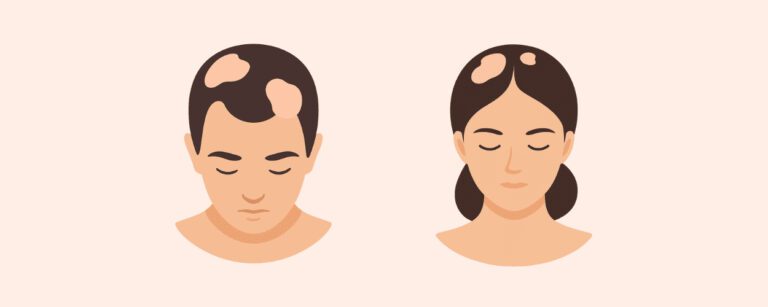
Understanding the causes, recognising symptoms, and exploring the most effective treatment options for alopecia areata in the UK.
Alopecia areata is one of the most common forms of autoimmune hair loss. It affects around 1 in 170 adults in the UK, which means more than 300,000 people live with this condition at any one time. Unlike male or female pattern baldness, which develops gradually over years, alopecia areata often appears suddenly, with distinct round or oval bald patches on the scalp or elsewhere on the body.
For many people, the first sign is a small coin-sized bald spot that seems to appear overnight. In some cases, this resolves on its own within months. In others, the condition recurs or progresses, leading to more extensive thinning. While alopecia areata is not physically harmful, its impact on confidence, appearance, and emotional well-being can be significant.
“At Capital Hair Restoration, we see firsthand how sudden hair loss affects confidence and daily life. Our role is to provide patients with clear guidance, medical expertise, and ongoing support so they never feel alone in their journey.” — Darryl King, CEO, Capital Hair Restoration
At Capital Hair Restoration, we understand how unpredictable and distressing this condition can be. With clinics across the UK and surgical facilities in both the UK and Turkey, our team has supported thousands of patients facing different types of hair loss, including alopecia areata. Our approach combines accurate diagnosis, personalised treatment planning, and ongoing aftercare, so you feel supported at every step.
This guide will explain the key facts about alopecia areata, including its causes, symptoms, diagnosis, and the treatment options available in the UK today.
What is Alopecia Areata?
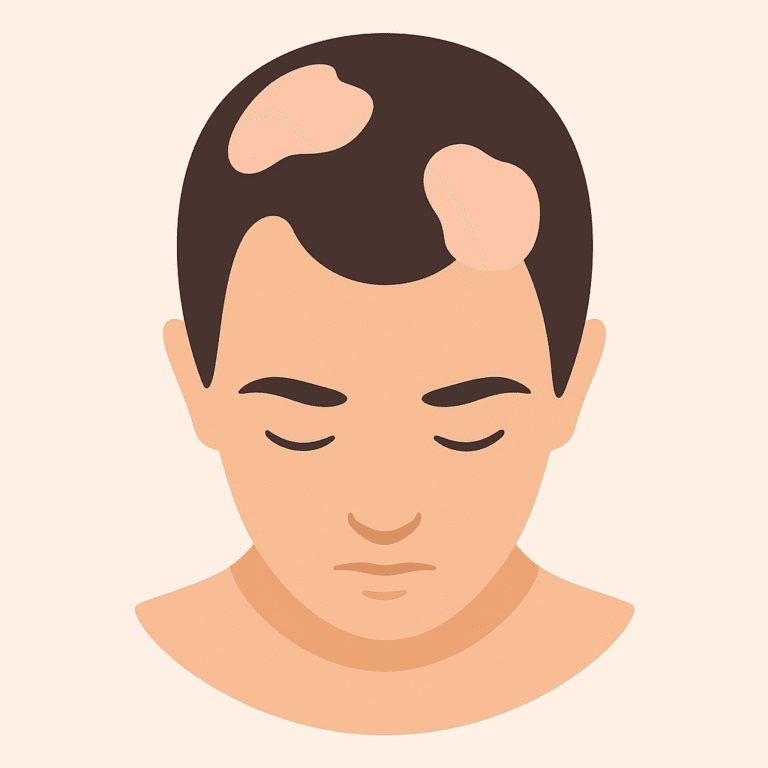
Alopecia areata (AA) is a non-scarring type of hair loss. This means that although the follicles stop producing visible hair, the follicle itself is not destroyed, so regrowth is often possible. The condition is typically recognised by:
- Round or oval bald patches with smooth skin.
- Sudden onset, often within days or weeks.
- Hair loss can occur on the scalp, beard, eyebrows, eyelashes, or other areas of the body.
Different forms of alopecia areata exist:
- Patchy alopecia areata – the most common type, involving scattered bald spots on the scalp.
- Alopecia totalis – complete loss of scalp hair.
- Alopecia universalis – complete loss of scalp and body hair.
- Ophiasis alopecia – a band of baldness around the back and sides of the scalp.
- Alopecia barbae – patchy loss of facial hair in the beard area.
Although the precise cause is not fully understood, most researchers agree that alopecia areata is an autoimmune condition. The body’s immune system mistakenly attacks the hair follicles, disrupting the growth cycle and leading to sudden shedding. In mild cases, the hair may regrow spontaneously within 6–12 months. In other cases, alopecia areata becomes chronic or recurring, with new patches appearing after old ones recover.
While the physical symptoms are distinctive, the emotional effects can be equally challenging. Many patients report anxiety, embarrassment, and reduced confidence in both personal and professional life. This is why seeking early advice from a hair loss specialist is important — not just to explore treatment options, but also to gain reassurance and support.
Causes and Risk Factors of Alopecia Areata
The exact cause of alopecia areata is not fully understood, but research strongly suggests it is an autoimmune condition. In people with AA, the body’s immune system mistakenly targets the hair follicles, causing them to stop producing hair temporarily.
Several factors appear to increase the risk of developing alopecia areata:
- Genetics – Around 40% of people with alopecia areata have a family history of the condition, suggesting a strong genetic link.
- Autoimmune conditions – People with thyroid disease, vitiligo, type 1 diabetes, or rheumatoid arthritis are more likely to experience alopecia areata.
- Allergies and atopic conditions – Asthma, eczema, and hay fever have been associated with higher rates of AA.
- Age of onset – The condition often develops for the first time in childhood or early adulthood, though it can occur at any age.
- Ethnicity – Studies indicate slightly higher prevalence in non-white populations.
- Down syndrome – Individuals with Down’s syndrome are more likely to develop alopecia areata due to genetic differences affecting immune regulation.
- Stress and illness – While not direct causes, stressful life events or infections may act as triggers in those who are already predisposed.
Recent studies have also examined the role of immune privilege collapse in hair follicles. Normally, hair follicles are “immune-privileged sites,” meaning they are partly protected from immune system attacks. When this protective mechanism fails, follicles become vulnerable, leading to the cycle of patchy shedding seen in AA.
Symptoms of Alopecia Areata
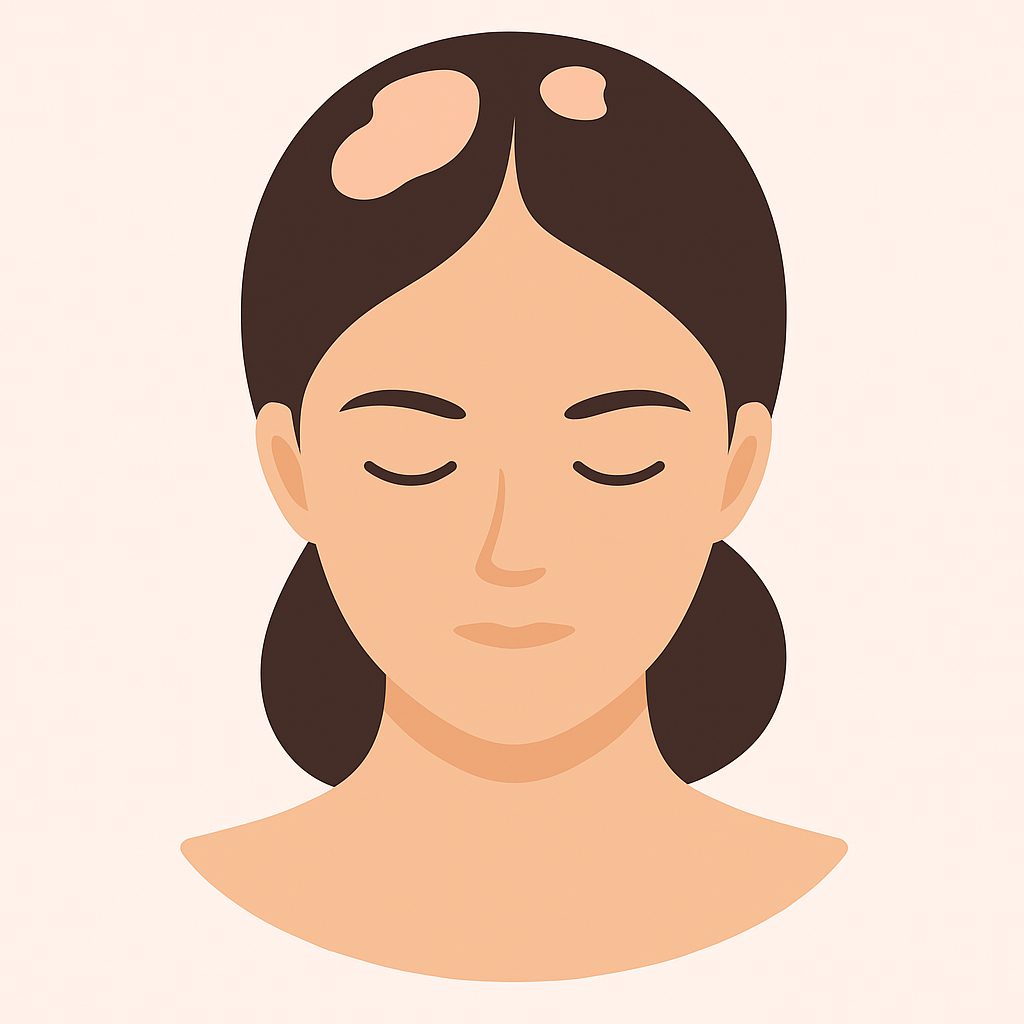
The most recognisable symptom is patchy hair loss, typically on the scalp, but sometimes affecting other areas of the body. These patches are usually smooth, round, and coin-sized. Unlike fungal infections or scarring alopecias, the skin in alopecia areata remains normal in colour and texture.
Other key symptoms include:
- Exclamation mark hairs – short broken hairs that are wider at the tip and thinner near the scalp.
- Nail changes – up to 20% of patients develop ridged, pitted, or brittle nails.
- Sudden shedding – many patients notice clumps of hair on pillows or in the shower within a short time.
- Body hair loss – in advanced cases, eyebrows, eyelashes, and beard hair may be affected.
- Recurring patches – even if hair regrows in one area, new bald spots can appear elsewhere.
It is important to note that alopecia areata is very different from male or female pattern baldness. In pattern baldness, thinning progresses gradually, usually starting at the hairline, crown, or parting. In alopecia areata, bald spots appear abruptly and may regrow unpredictably.
Diagnosis of Alopecia Areata
In most cases, a diagnosis can be made during a scalp examination by a trichologist or hair loss specialist. The presence of smooth bald patches, exclamation mark hairs, and nail changes a strong indicator.
Additional diagnostic steps may include:
- Dermatoscopy – magnified scalp examination to look for characteristic signs such as yellow or black dots and broken hairs.
- Scalp biopsy – rarely needed, but may confirm the autoimmune nature of the condition.
- Blood tests – sometimes recommended to rule out thyroid disease, anaemia, or other autoimmune conditions that may occur alongside alopecia areata.
Alopecia areata can sometimes be mistaken for trichotillomania (hair-pulling disorder) or fungal scalp infections, so professional assessment is vital before starting treatment.
Other Types of Alopecia
While alopecia areata is one of the most recognised forms of hair loss, it is not the only type. Understanding the different subtypes and related conditions is important for accurate diagnosis and treatment. Below are some of the most common variants and distinct forms of alopecia that patients may encounter.
Alopecia Universalis
Alopecia universalis is the most advanced form of alopecia areata. In this condition, patients lose all hair across the entire body, including the scalp, eyebrows, eyelashes, beard, and body hair. Like alopecia areata, it is considered an autoimmune disorder where the immune system mistakenly attacks hair follicles. Unfortunately, alopecia universalis is often resistant to conventional treatments such as corticosteroid injections or topical medications. New systemic therapies, such as JAK inhibitors, have shown promise in early studies, but complete regrowth is not guaranteed. Because of the extent of hair loss, many patients explore cosmetic solutions such as wigs, eyebrow microblading, or scalp micropigmentation to restore confidence.
Frontal Fibrosing Alopecia (FFA)
Frontal fibrosing alopecia is a type of scarring alopecia that usually affects post-menopausal women, though men can also be affected. It is characterised by a progressive receding hairline at the front and sides of the scalp, often accompanied by thinning or loss of eyebrows. Unlike alopecia areata, frontal fibrosing alopecia causes permanent follicle damage because scar tissue replaces the hair follicle. The exact cause is still being studied, but hormonal and autoimmune factors are believed to play a role. Early intervention is crucial, as treatments such as anti-inflammatory medications, corticosteroids, or 5-alpha reductase inhibitors may help slow the progression if started in time.
Traction Alopecia
Traction alopecia is one of the few forms of hair loss that is largely preventable. It occurs when hair follicles are damaged due to constant tension from certain hairstyles, such as tight braids, ponytails, extensions, or the repeated use of hair systems. Over time, the pulling effect weakens and damages follicles, leading to thinning around the hairline, temples, or crown. In the early stages, traction alopecia can be reversed by removing the source of tension and allowing the follicles to recover. However, if left untreated, it can lead to permanent follicle damage that may require a hair transplant to restore coverage.
Why It Matters to Distinguish Between Them
Each type of alopecia has different causes, risk factors, and treatment options. While alopecia areata and alopecia universalis are autoimmune in nature, frontal fibrosing alopecia involves scarring, and traction alopecia results from external damage. For this reason, self-diagnosis can be misleading, and professional evaluation by a trichologist or hair restoration surgeon is strongly recommended. Getting the correct diagnosis early allows for the most effective treatment plan — whether that is medical therapy, lifestyle changes, or surgical hair restoration.
At Capital Hair Restoration, our specialists provide thorough consultations to help distinguish between these conditions and guide patients toward the most appropriate treatments.
NHS vs. Private Care and Patient Support
Treatment on the NHS
For most people in the UK, alopecia areata is considered a cosmetic condition rather than a medical one. Because it doesn’t directly affect physical health, access to NHS treatment is limited. In many cases, GPs will adopt a “watch and wait” approach, especially as up to half of patients see regrowth within a year without intervention.
That said, NHS doctors may:
- Prescribe topical corticosteroids for patchy hair loss.
- Refer patients to a dermatologist for further assessment in severe cases.
- Treat underlying conditions (e.g., thyroid issues, vitamin deficiencies, or autoimmune disorders) that may be linked to hair loss.
Unfortunately, more advanced or newer treatments such as immunotherapy, JAK inhibitors, and specialist injections are rarely available through the NHS due to cost and limited approval.
Private Care Options
For patients seeking broader treatment choices or faster results, private clinics offer a wider range of therapies. These can include:
- Corticosteroid injections are administered by dermatologists or trichologists.
- Specialist immunotherapy treatments.
- Low-Level Laser Therapy (LLLT).
- Access to clinical trials or newer medications like JAK inhibitors, once licensed in the UK.
Private clinics also tend to provide more personalised care, with treatment tailored to the severity of your condition and your long-term goals. While alopecia areata cannot usually be treated with a surgical hair transplant (because the autoimmune process can attack transplanted follicles), supportive therapies and non-surgical options can help manage the condition and restore confidence.
The Role of Psychological Support
The emotional impact of alopecia areata is often greater than the physical impact. Studies show that many patients experience depression, anxiety, and reduced quality of life as a direct result of hair loss. This is particularly true for women and young people, who often feel self-conscious or socially isolated.
Support options include:
- Counselling and CBT – Mental health therapies that can help patients manage the stress and unpredictability of hair loss.
- Support groups – Charities like Alopecia UK provide a safe space for patients to share experiences, advice, and coping strategies.
- Practical solutions – Wigs, hairpieces, and scalp camouflage products are sometimes available on the NHS. In other cases, private suppliers offer bespoke solutions to help restore appearance and self-esteem.
Why Combining Medical and Emotional Care Matters
Managing alopecia areata effectively often requires a holistic approach. Medical treatments may help hair regrow, but support for mental well-being ensures patients can cope during periods of uncertainty or relapse. Whether through NHS resources or private care, combining these aspects gives the best chance of both physical improvement and emotional resilience.
Prognosis and Long-Term Outlook
Alopecia areata is often described as an unpredictable condition. Some people experience only a single episode of patchy hair loss that resolves naturally, while others go through repeated cycles of shedding and regrowth over many years. Understanding the likely outcomes can help set realistic expectations and reduce some of the anxiety that comes with this condition.
Spontaneous Recovery
Studies show that around 50% of patients experience hair regrowth within 6–12 months without any treatment. Regrown hair often begins as fine, downy vellus hair, which may later thicken and regain its natural colour. However, even after regrowth, there’s always a chance of future relapses.
Chronic and Relapsing Cases
For many, alopecia areata follows a relapsing-remitting pattern. New bald patches can appear just as older ones are filling in. Some patients go through several episodes over their lifetime, while others develop more extensive forms, such as:
- Alopecia totalis – complete loss of scalp hair.
- Alopecia universalis – complete loss of scalp and body hair.
Although these forms are less common, they can be particularly challenging both medically and psychologically.
Factors Affecting Prognosis
Research has identified several factors that influence long-term outcomes:
- Age of onset – Patients who develop alopecia areata in childhood or adolescence are more likely to experience severe or long-lasting symptoms.
- Family history – A strong genetic link increases the likelihood of recurrence.
- Extent of hair loss – Small patches tend to have a better prognosis, while widespread thinning or rapid shedding may indicate a more persistent condition.
- Associated conditions – The presence of other autoimmune diseases (e.g., thyroid disease, vitiligo, or atopic dermatitis) can increase the risk of chronic alopecia areata.
Treatment and Long-Term Care
While there is no cure, treatments can increase the likelihood of regrowth and reduce relapse severity. Regular follow-up with a dermatologist or trichologist is recommended, particularly for patients with extensive or recurring cases. Maintaining good scalp health and managing stress may also help limit flare-ups.
It is important to note that surgical hair transplants are not usually effective for alopecia areata, since the immune system may attack transplanted follicles as well. This distinguishes alopecia areata from pattern baldness, where hair follicle surgery is considered a permanent solution.
Living with Alopecia Areata
With the right support, many patients lead full and confident lives despite ongoing symptoms. Psychological therapies, support groups, and cosmetic solutions like wigs or scalp micropigmentation can help restore self-esteem while waiting for medical treatments to take effect.
Ultimately, the prognosis is highly individual. Some patients recover fully with little recurrence, while others require ongoing management. What matters most is finding a tailored plan that addresses both the physical and emotional challenges of the condition.
Frequently Asked Questions About Alopecia Areata
Is alopecia areata the same as male or female pattern baldness?
No. Male and female pattern baldness are caused by genetic sensitivity to DHT, leading to gradual follicle shrinkage. Alopecia areata is an autoimmune condition that causes sudden patchy hair loss. Unlike pattern baldness, alopecia areata can affect the beard, eyebrows, and body hair as well as the scalp.
Can alopecia areata be cured?
There is currently no permanent cure for alopecia areata. However, many patients experience spontaneous regrowth within 6–12 months, and treatments such as corticosteroid injections, topical therapies, and emerging medications like JAK inhibitors can improve outcomes.
Does stress cause alopecia areata?
Stress does not directly cause alopecia areata, but it may trigger flare-ups in people who are genetically predisposed. Autoimmunity is the primary driver. Managing stress can be part of an overall strategy to reduce relapse frequency.
Can hair transplants treat alopecia areata?
Surgical hair transplants are usually not recommended for alopecia areata because the immune system may attack newly transplanted follicles. Hair transplant surgery is more effective for permanent conditions like male or female pattern baldness.
Is alopecia areata permanent?
In some cases, alopecia areata is temporary, with full regrowth within a year. In others, it becomes chronic or relapsing, with new bald patches appearing even after recovery. Severe forms, such as alopecia universalis, can be long-lasting and more resistant to treatment.
What is the difference between alopecia areata and alopecia universalis?
Alopecia areata typically causes small, round bald patches. Alopecia universalis is a more advanced form where all scalp and body hair are lost. Both are autoimmune conditions, but alopecia universalis is usually harder to treat.
Can children develop alopecia areata?
Yes. Alopecia areata often begins in childhood or adolescence, though it can occur at any age. Early assessment by a dermatologist or trichologist is important to rule out other causes of hair loss.
Does diet affect alopecia areata?
Diet is not a direct cause, but a balanced diet rich in vitamins, minerals, and protein supports general hair and scalp health. Some research suggests links between alopecia areata and deficiencies in vitamin D, zinc, or iron.
Can alopecia areata affect nails?
Yes. Around 10–20% of patients develop nail changes such as pitting, ridging, or brittleness, which can be a helpful diagnostic sign for specialists.
Final Thoughts and Next Steps
Alopecia areata can be an overwhelming condition. Its unpredictable nature — from sudden patchy shedding to cycles of regrowth and relapse — means that no two patient journeys are the same. But while there is no outright cure, there are more treatment options, coping strategies, and sources of support available today than ever before.
For some, alopecia areata clears up on its own within months. For others, it becomes a longer-term challenge requiring ongoing management. What’s important to remember is that you are not alone. Millions of people in the UK and worldwide live with this condition, and research into new therapies — such as JAK inhibitors — continues to offer hope for more effective long-term solutions.
At the same time, taking care of your mental and emotional well-being is just as important as seeking medical treatment. Support groups, counselling, and cosmetic options like wigs or scalp micropigmentation can provide reassurance and restore confidence while medical therapies take effect.
Why Choose Expert Support?
Although alopecia areata differs from male and female pattern baldness — meaning surgical hair follicle transplants are not usually recommended — patients benefit greatly from professional diagnosis and personalised treatment plans. A specialist can help distinguish alopecia areata from other types of hair loss, recommend the most appropriate therapies, and guide you through what to expect.
At Capital Hair Restoration, we understand how personal and sensitive hair loss can be. Our team has supported thousands of patients across the UK, offering:
- Expert consultations with trichologists and hair loss specialists.
- Tailored advice on medical and non-surgical treatments.
- FUE (Follicular Unit Extraction) and FUT (Follicular Unit Transplantation) hair transplant procedures for suitable candidates.
- Specialist Afro hair transplant techniques are designed to respect the unique curl pattern and growth characteristics of afro-textured hair.
- Nationwide consultation and follow-up clinics for convenience, including London Harley Street, Brighton, Essex, and other major UK locations and Turkey.
- A compassionate, patient-first approach that focuses on both hair and overall well-being.
Your Next Step
Alopecia areata can be one of the most frustrating forms of hair loss because of its unpredictability. Hair may regrow naturally, new patches can appear without warning, and the condition often affects confidence just as much as appearance. While there is currently no guaranteed cure, early diagnosis and specialist guidance can help you understand your options and develop an effective management plan.
At Capital Hair Restoration, we understand that every case of alopecia areata is different. Our consultations focus on identifying the type of hair loss you are experiencing, ruling out other possible causes, and helping you understand which treatments may be most appropriate for your individual situation.
During your consultation, we will:
- Assess your hair loss pattern and symptoms
- Help distinguish alopecia areata from other forms of hair loss
- Discuss available medical and non-surgical treatment options
- Explain what to expect regarding regrowth and long-term management
- Provide personalised advice and ongoing support
Consultations are available across the UK, including Harley Street, London, Chelmsford, Cambridge, Guildford, Reading, Watford, Portsmouth, and Southampton.
Although alopecia areata can feel overwhelming, many people experience significant regrowth, and new treatment options continue to emerge. The most important step is obtaining an accurate diagnosis and a clear understanding of your individual condition. With the right support and guidance, it is possible to manage alopecia areata effectively and regain confidence.
Book your free consultation today and speak with a specialist about your symptoms, treatment options, and the most appropriate next steps for your hair loss journey.
References
- NHS. Alopecia areata. Available at: https://www.nhs.uk/conditions/alopecia-areata/
- National Alopecia Areata Foundation. About Alopecia Areata. Available at: https://www.naaf.org/alopecia-areata/
- British Association of Dermatologists. Alopecia Areata Patient Information Leaflet. Available at: https://www.bad.org.uk/pils/alopecia-areata/
- Villasante Fricke AC, Miteva M. Epidemiology and burden of alopecia areata: a systematic review. Clin Cosmet Investig Dermatol. 2015;8:397–403.
- Pratt CH, et al. Alopecia areata: updates from the front line. J Investig Dermatol. 2017;137(12): 1–10.
- Harries M, et al. Management of alopecia areata: British consensus statement. Br J Dermatol. 2020;183(5): 628–637.
- Cranwell WC, et al. Treatment of alopecia areata: an Australian expert consensus statement. Australas J Dermatol. 2019;60(2):163–170.
- Tosti A, et al. Alopecia areata: clinical presentation, diagnosis, and unusual cases. Dermatol Ther. 2011;24(3):348–354.
- Rencz F, et al. Alopecia areata and health-related quality of life: a systematic review and meta-analysis. Br J Dermatol. 2016;175(3):561–571.
- King B, et al. Two phase 3 trials of baricitinib for alopecia areata. N Engl J Med. 2022;386:1687–1699.


Book Your Free Hair Transplant Consultation
Fill in your details and we'll get in touch with you shortly.