


Shock Loss After a Beard Transplant: What Is Normal?
Shock Loss After a Beard Transplant: What Is Normal?
Shock Loss After a Beard Transplant: What Is Normal?
Shock loss is one of the most misunderstood parts of beard transplant recovery.
Many patients become concerned when transplanted hairs begin falling out a few weeks after the procedure. After investing time, money, and trust into the transplant, seeing hairs shed can understandably feel alarming. For some men, it creates a genuine fear that the procedure has failed.
In reality, shock loss is a completely normal and expected stage of the recovery process.
Almost every patient who undergoes a beard transplant experiences some degree of shedding in the weeks after surgery. Understanding why it happens, what it looks like, how long it lasts, and when new growth begins can make the recovery process significantly less stressful.
In this guide, we explain everything you need to know about beard transplant shock loss and what is considered normal during recovery.
What Is Shock Loss?
Shock loss, also known medically as telogen effluvium, refers to the temporary shedding of transplanted hairs after a beard transplant procedure.
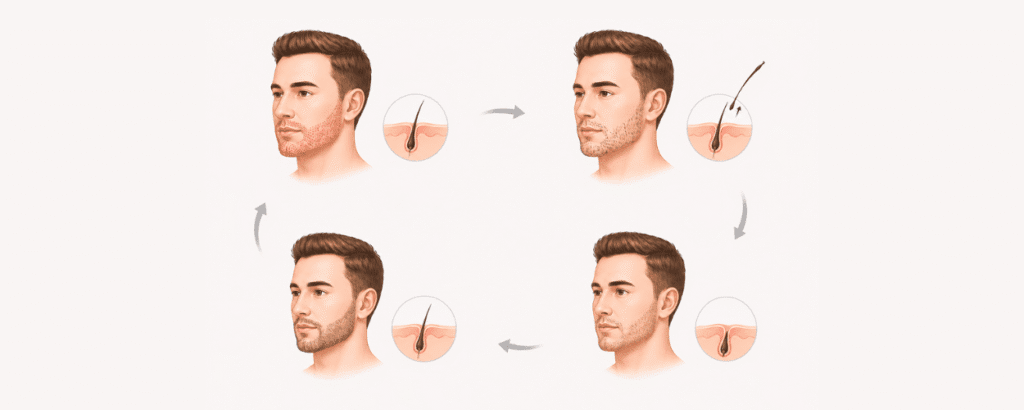
When hair follicles are moved from the donor area into the beard, the transplantation process temporarily disrupts the natural hair growth cycle. As a result, many follicles enter the resting phase of the cycle earlier than normal.
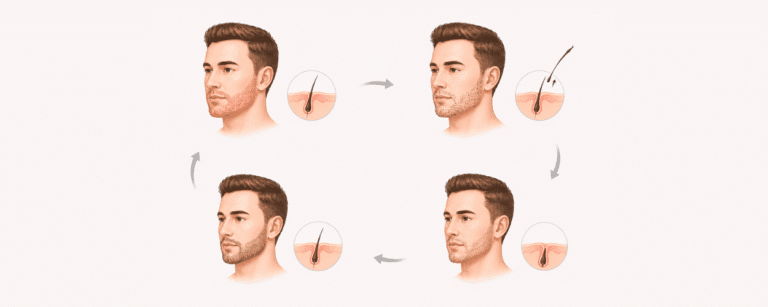
To understand this properly, it helps to know the three stages of hair growth:
- Anagen phase – active growth
- Catagen phase – transition phase
- Telogen phase – resting and shedding phase
After transplantation, many follicles move into the telogen phase simultaneously. During this stage, the visible hair shafts shed while the follicles themselves remain healthy beneath the skin.
This is shock loss.
The important thing to understand is that the follicles are still alive. The roots remain intact beneath the skin and will begin producing new permanent hair growth once the resting phase ends.
“Shock loss is one of the most emotionally difficult stages of beard transplant recovery, but medically it is one of the most normal. The follicles are still healthy beneath the skin and preparing for new growth.”
— Darryl King – Hair Consultation – Capital Hair Restoration
Does Shock Loss Mean the Beard Transplant Failed?
No.
This is one of the biggest misconceptions patients have during recovery.
Shock loss is not a sign that the grafts failed or died. In fact, it is usually a sign that the follicles are progressing through the normal recovery cycle exactly as expected.
The transplanted hairs shed, but the follicles remain beneath the skin preparing to produce new hairs over the following months.
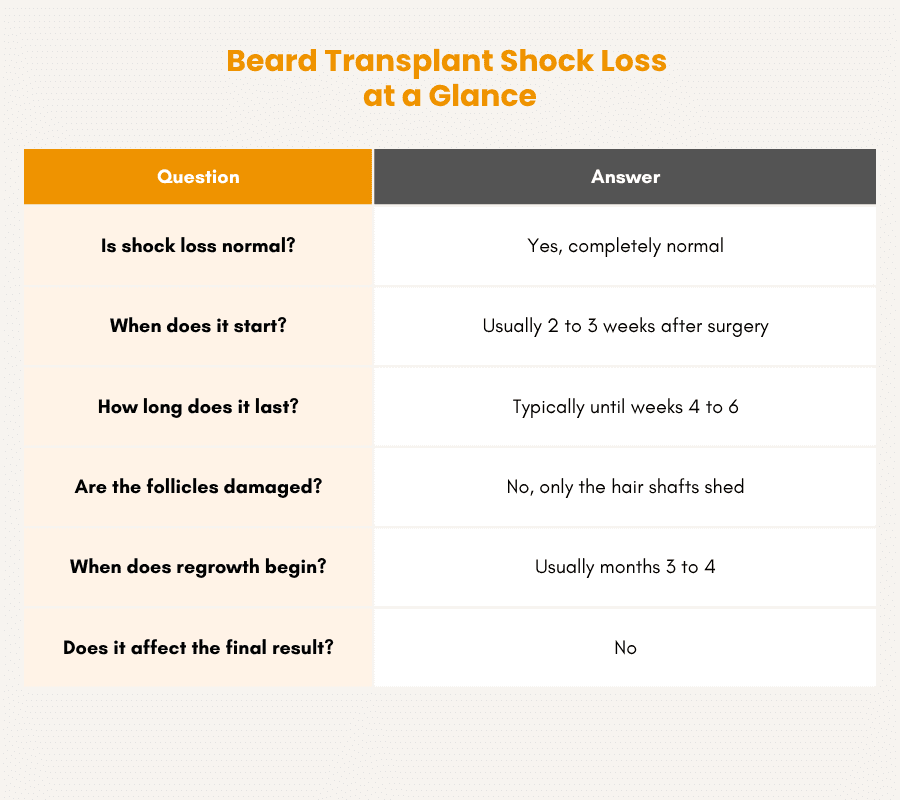
For most patients, new growth begins appearing around months three to four after the procedure.
Why Does Shock Loss Feel So Alarming?
Even when patients are told about shock loss beforehand, the experience can still feel emotionally difficult when it happens.
There are a few reasons for this.
The Timing
Shock loss usually begins two to three weeks after surgery, when the initial excitement of the procedure is still fresh. Patients have only recently seen the transplanted hairs in place, so watching them fall out can feel deeply unsettling.
The Visual Impact
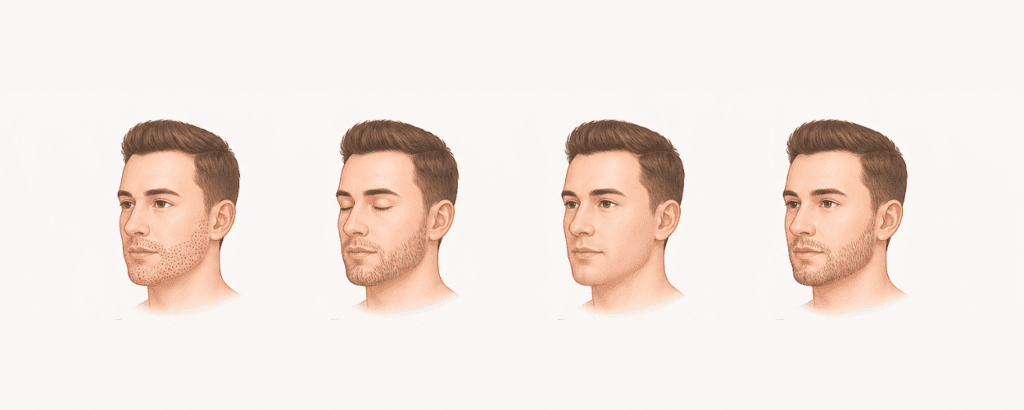
Some patients experience noticeable shedding across the beard area, making the face temporarily look thinner or patchier than before the procedure.
For men who started with very limited facial hair, this can feel like they are back at the beginning again.
The Waiting Period
The most difficult part psychologically is often the quiet phase that follows the shedding.
Once the hairs have fallen out, there is usually a period of several weeks where very little appears to be happening visibly. Many patients become anxious during this stage because they cannot yet see the new growth developing beneath the skin.
This feeling is extremely common.
“Many patients panic when the transplanted hairs begin shedding after two or three weeks, but this is an expected part of the recovery process and not a sign that the transplant has failed.”
— Steven Ambrose – Hair Consultation – Capital Hair Restoration
When Does Shock Loss Happen?
For most patients, shock loss begins between weeks two and four after the procedure.
Typically:
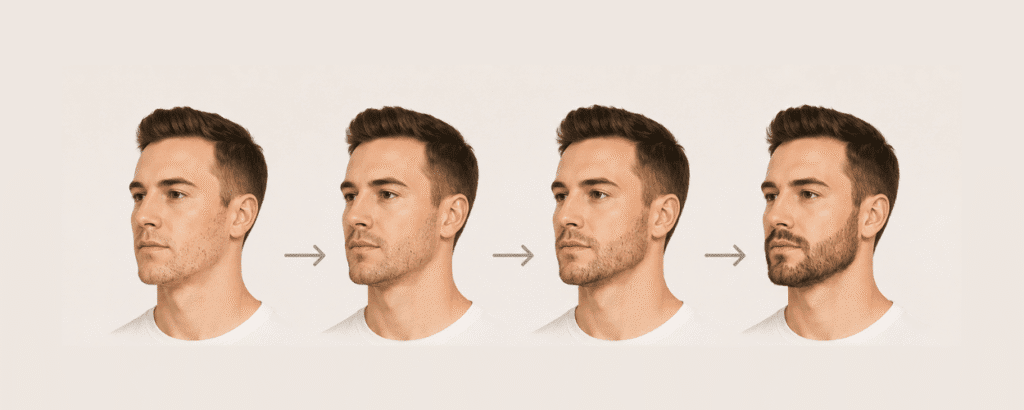
- Week 1: Healing phase
- Weeks 2 to 4: Shedding begins
- Weeks 4 to 6: Most shedding complete
- Months 3 to 4: New growth starts emerging
The exact timing varies slightly between individuals, but the overall pattern is highly predictable.
How Long Does Shock Loss Last?
Most patients complete the main shedding phase by around weeks four to six.
However, shedding does not usually happen all at once. Different follicles enter the resting phase at slightly different times, which means the beard area can look uneven or patchy during recovery.
This is entirely normal.
Some patients notice only mild shedding, while others experience a more dramatic visible change. Both experiences fall within the normal range.
What Does Beard Transplant Shock Loss Look Like?
Shock loss usually appears as gradual shedding of the transplanted hairs.
Patients may notice hairs:
- Falling out while washing
- Coming away when touching the beard area
- Appearing on towels or pillowcases
Sometimes the hairs have a small white bulb attached at the end. This is normal and simply reflects the resting phase of the hair cycle.
During this stage, the beard can appear:
- Patchy
- Thin
- Uneven
- Sparser than immediately after surgery
This is often the lowest emotional point of the recovery timeline, but it is temporary.
“The key to getting through the shock loss phase is understanding that beard transplant results are delayed, not lost. Most patients begin seeing new permanent growth from around months three to four.”
— Darryl King – Hair Consultation – Capital Hair Restoration
Can Existing Beard Hair Also Shed?
Yes, in some cases.
Shock loss can occasionally affect nearby native beard hairs as well as the transplanted grafts.
This happens because the surrounding hairs can also react temporarily to the physical stress of the procedure.
Importantly, this shedding is usually temporary, and the native hairs normally regrow over time alongside the transplanted follicles.
Can the Donor Area Experience Shock Loss?
Yes.
Some patients experience mild temporary shedding in the donor area at the back of the scalp following extraction.
This is generally far less noticeable than the shedding in the beard area and typically resolves naturally without long-term impact.
Can You Prevent Shock Loss?
No.
Shock loss is a natural biological response to transplantation and cannot realistically be prevented.
No shampoo, supplement, oil, or aftercare routine can completely stop it from happening.
This is important because many patients blame themselves when the shedding begins, assuming they must have done something wrong during recovery.
In reality, shock loss occurs even when aftercare instructions are followed perfectly.
The best approach during this stage is simply:
- Follow your clinic’s aftercare guidance
- Avoid touching or scratching the grafts
- Stay patient
- Trust the recovery process
Do Supplements Help Reduce Shock Loss?
Some clinics and online sources suggest that supplements such as biotin may reduce shedding or accelerate growth.
The evidence supporting this is limited.
Any decision regarding supplements or medications should always be discussed directly with your surgeon rather than based purely on online advice.
For most patients, time and patience remain the key factors in recovery.
What Happens After Shock Loss?
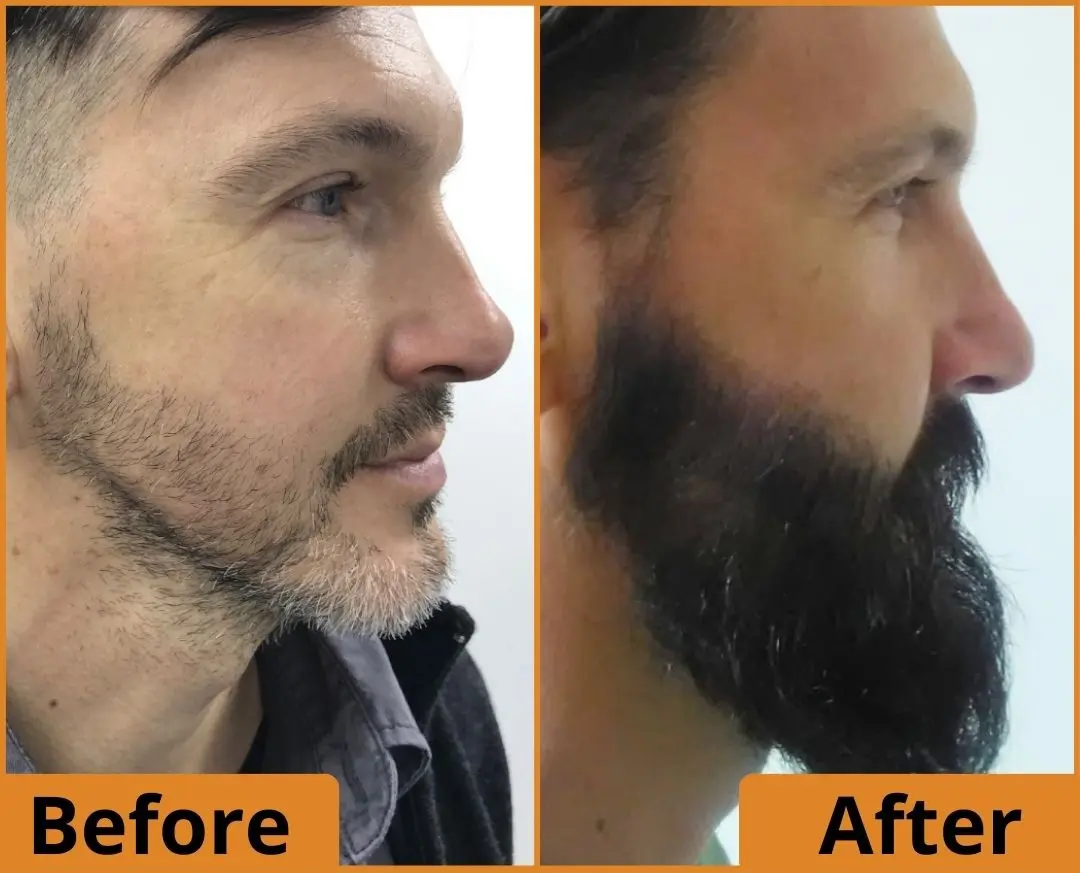
Once the follicles complete the resting phase, they begin producing new permanent hairs.
This typically starts around months three to four after surgery.
The early growth is usually:
- Fine
- Soft
- Slightly lighter in colour
- Uneven initially
This is completely normal.
Over the following months, the hairs gradually:
- Thicken
- Darken
- Mature
- Blend naturally with surrounding beard hair
By months six to eight, most patients begin seeing meaningful density improvements.
The final beard transplant result is usually visible around months nine to twelve.
When Should You Be Concerned?
For the vast majority of patients, shedding after a beard transplant is entirely normal.
However, there are situations where it is worth speaking to your clinic.
These include:
- Sudden graft loss within the first few days after surgery
- Significant bleeding
- Increasing redness or swelling
- Signs of infection
- Persistent pain
- Concerns about healing
If you are unsure whether what you are experiencing is normal, the best approach is always to contact the clinic directly rather than relying on online forums.
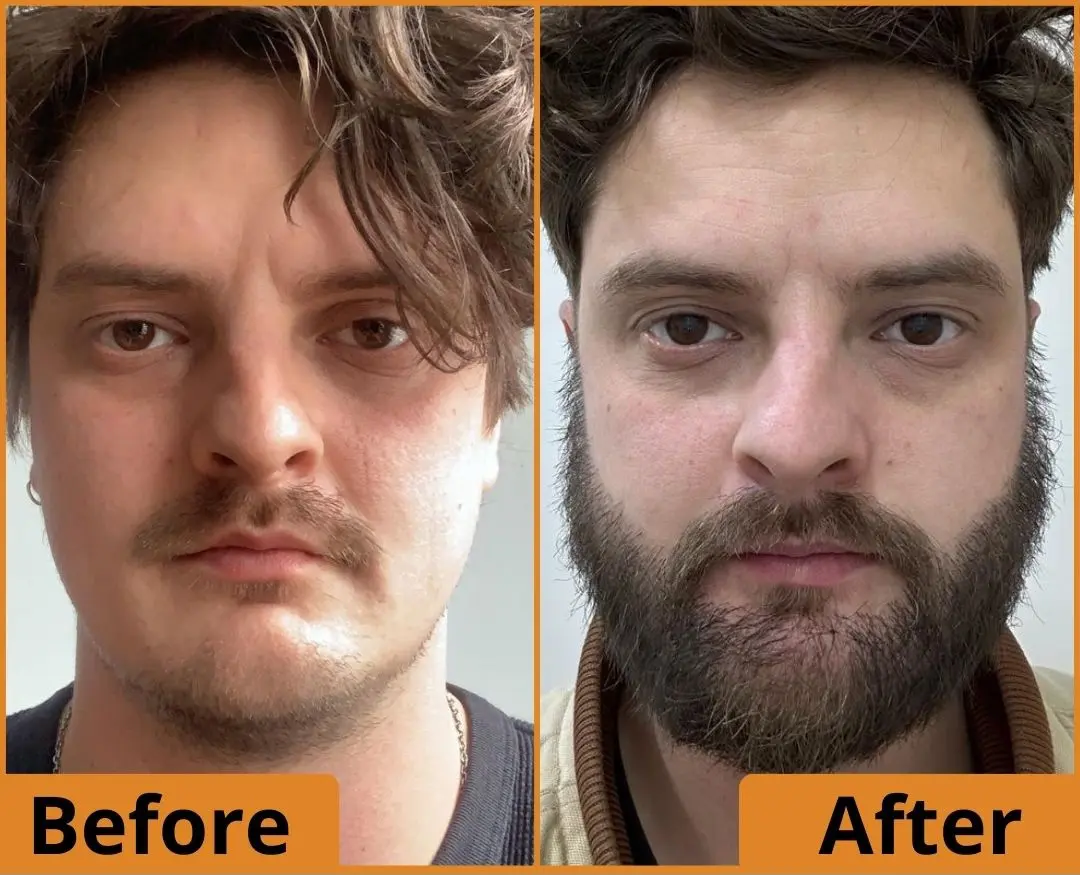
Managing the Shock Loss Phase Emotionally
The emotional side of shock loss is often underestimated.
Even patients who understand the process logically can struggle during the period between shedding and regrowth. The recovery can feel slow, and daily mirror-checking often increases anxiety unnecessarily.
A few things tend to help:
- Taking progress photos every few weeks instead of daily
- Staying in contact with your clinic
- Avoiding online horror stories and forums
- Remembering that every successful beard transplant patient went through this same stage
The shedding is temporary.
The new growth is coming.
Final Thoughts
Shock loss is one of the most misunderstood parts of beard transplant recovery, but it is also one of the most predictable. While watching transplanted hairs shed can feel concerning, it is important to remember that the visible hairs and the follicles themselves are not the same thing. The hairs may fall out, but the follicles remain healthy beneath the skin and continue progressing through the normal recovery cycle.
For most patients, shock loss represents a temporary pause rather than a permanent setback. The weeks between shedding and regrowth can test your patience, but this phase is simply part of the biological process that allows new, permanent growth to emerge. Understanding this in advance can make recovery significantly less stressful and help you avoid drawing conclusions too early.
The key is to focus on the long-term timeline rather than the short-term appearance of the beard. Most patients begin seeing new growth from around months three to four, with density, coverage, and beard maturity continuing to improve throughout the first year. By the end of that journey, the temporary shedding phase is often little more than a distant memory.
If you are considering a beard transplant, Capital Hair Restoration offers consultations across the UK, including London, Cambridge, Guildford, Reading, Southampton, Watford, Birmingham and Brighton.
At Capital Hair Restoration, patients are supported through every stage of recovery, including the shock loss phase. Consultations focus on realistic expectations, beard design, donor area assessment, graft planning, recovery timelines, and comprehensive aftercare support to help you achieve the most natural and long-lasting result possible.
Book your consultation today and take the first step towards a fuller, natural-looking beard.


Book Your Free Hair Transplant Consultation
Fill in your details and we'll get in touch with you shortly.