


Minoxidil for Hair Loss: Uses, Results & Side Effects (UK Guide)
Minoxidil for Hair Loss: Uses, Results & Side Effects (UK Guide)

What is Minoxidil?
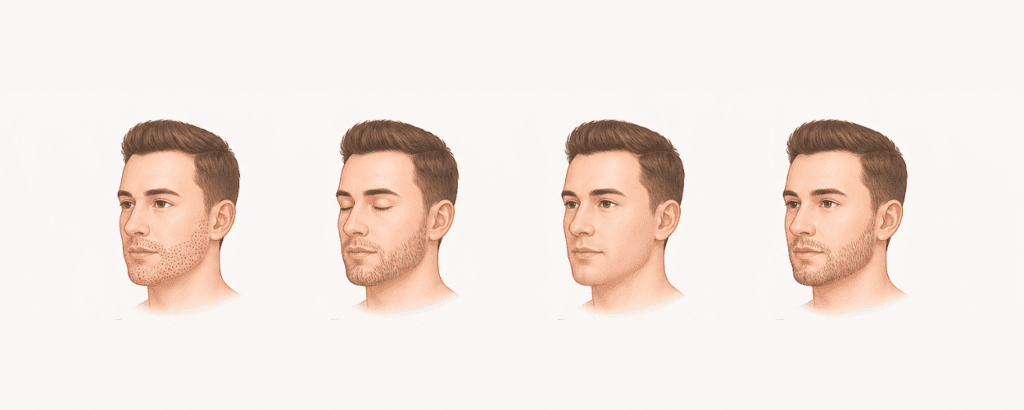
Minoxidil is one of the most widely used and clinically proven treatments for hair loss. Originally developed in the 1970s as an oral medication for high blood pressure, doctors soon noticed an unexpected side effect: patients began to grow more hair. This discovery led to the development of topical minoxidil solutions, which are now available over the counter in many countries as a treatment for hair loss.
Today, minoxidil is recognised as one of the first-line therapies for male pattern baldness and female hair loss (androgenetic alopecia). It is also sometimes used off-label for other types of hair loss, including telogen effluvium and alopecia areata, though results vary.
At Capital Hair Restoration, we support patients across the UK in understanding their hair loss and choosing the right treatment plan. Minoxidil is often an important part of a non-surgical approach to managing thinning hair — either as a standalone therapy or combined with treatments such as finasteride, low-level laser therapy (LLLT), or platelet-rich plasma (PRP) injections.
How Does Minoxidil Work?
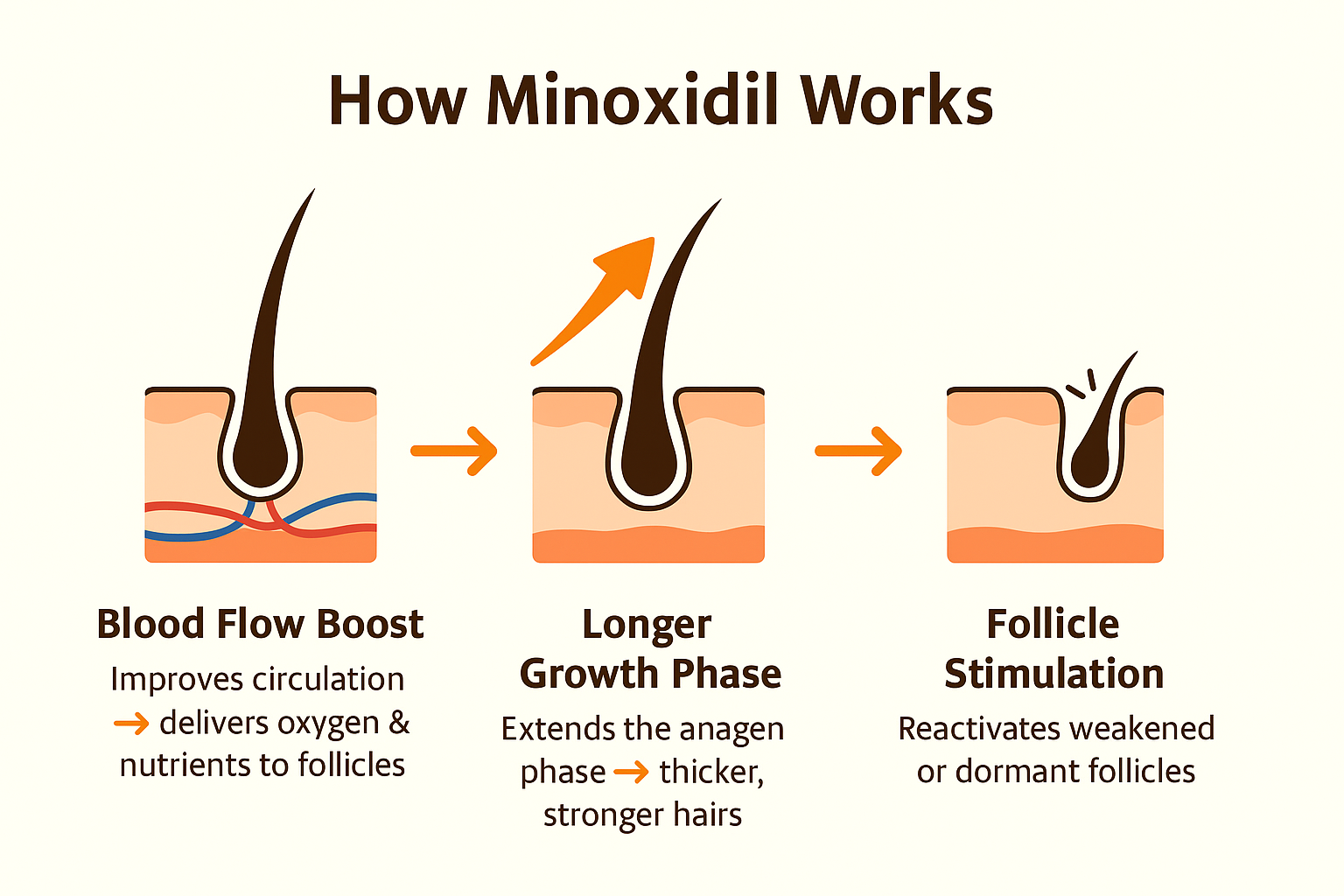
Unlike finasteride, which works by blocking the hormone DHT, Minoxidil treats hair loss through a different pathway. Although the exact mechanism is not fully understood, research shows that it delivers three main benefits:
-
Vasodilation (increased blood flow): Minoxidil widens blood vessels in the scalp, improving circulation to the hair follicles. This ensures follicles receive more oxygen and nutrients, creating a healthier environment for growth.
-
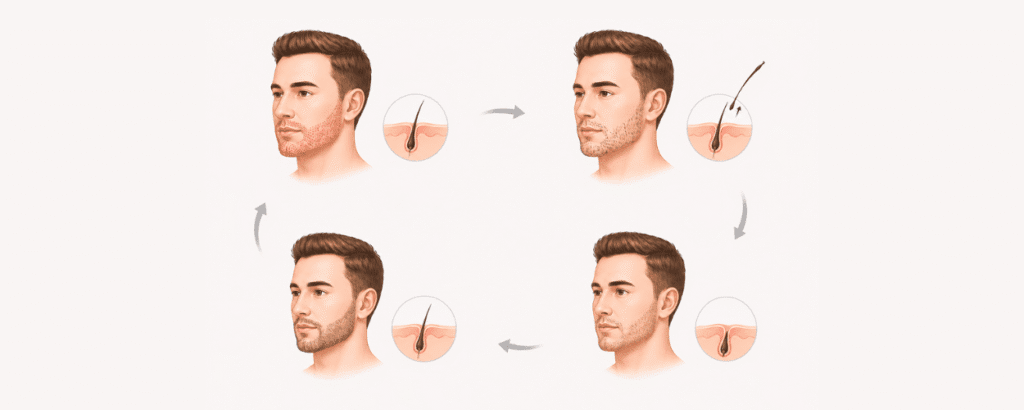
Extending the growth (anagen) phase: Hair grows in cycles — anagen (growth), catagen (transition), and telogen (resting). Minoxidil helps extend the growth phase and shorten resting periods, so hairs stay thicker and grow for longer.
-
Direct follicle stimulation: Minoxidil is thought to stimulate follicular cells, “waking up” dormant or miniaturised hairs that have been weakened by genetic hair loss.
Because it does not affect hormones, Minoxidil is often recommended for women as well as men. This makes it an important option for treating female pattern hair loss.
Who Can Benefit From Minoxidil?
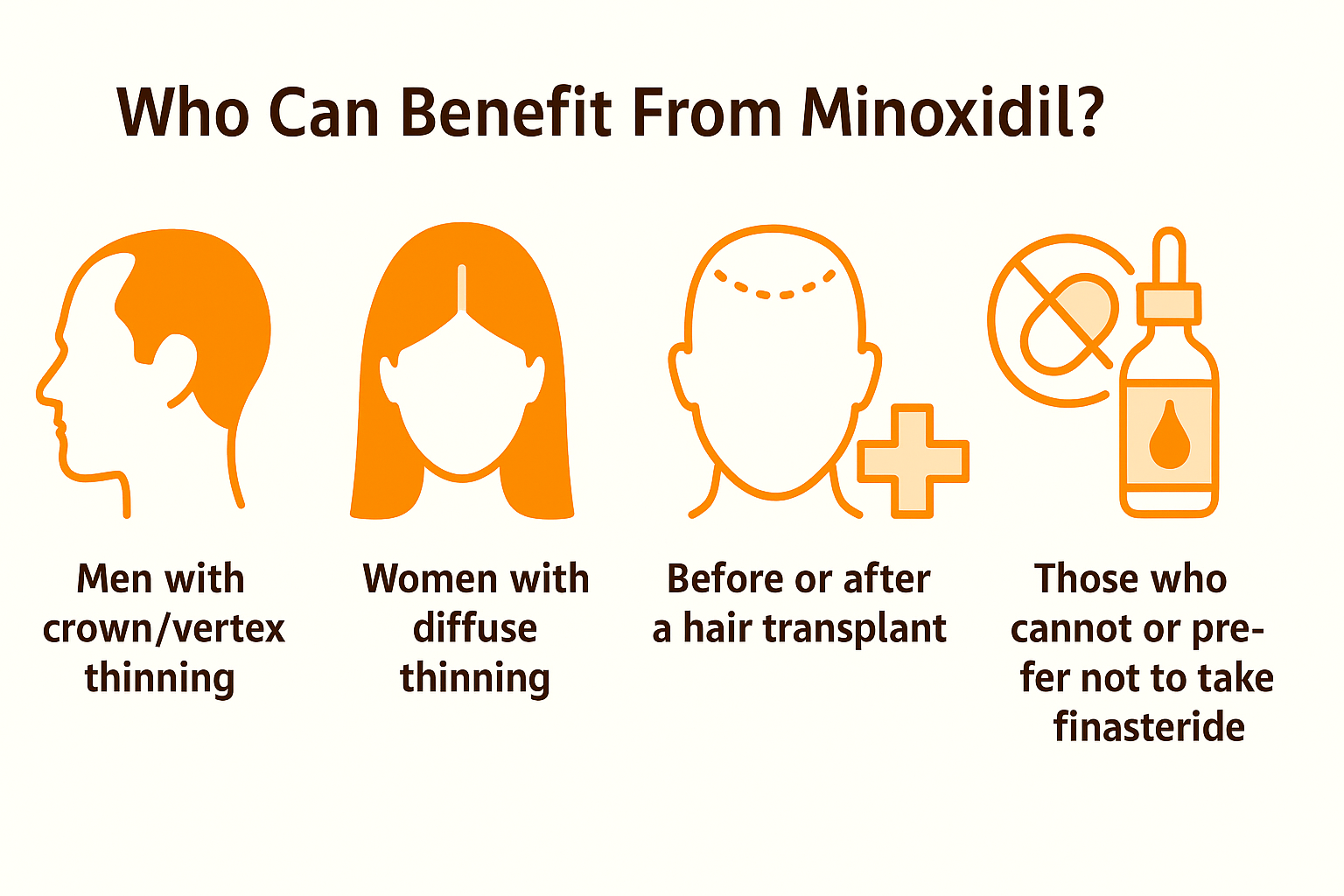
Minoxidil is most effective in people experiencing early-to-moderate hair loss. It tends to work best for:
- Men with thinning at the crown or vertex of the scalp.
- Women experiencing diffuse thinning (often a widening part line).
- Patients who want to stabilise hair loss before or after a hair transplant.
- Those who cannot or do not want to take finasteride.
That said, minoxidil is not a miracle cure. It will not restore a completely bald scalp, and results vary from person to person. Consistency is key — stopping treatment usually results in shedding of any hair gained within 3–6 months.
Types of Minoxidil Available
In the UK, minoxidil is available in both topical and oral forms:
- Topical Minoxidil:
- Foam (5% concentration): Easy to apply, dries quickly, and avoids the greasy feel of liquid.
- Liquid solution (2% or 5%): Applied with a dropper, but can sometimes cause scalp irritation due to propylene glycol.
- Oral Minoxidil (low-dose): Originally a blood pressure medication, oral minoxidil is now sometimes prescribed in very low doses for hair loss when topical forms are ineffective. This is off-label in the UK but has shown promising results.
How Effective Is Minoxidil?
Minoxidil has been studied extensively for more than 30 years and is considered one of the most effective non-surgical treatments for androgenetic alopecia. While results vary from person to person, research shows that consistent daily use can slow down hair loss and stimulate new growth in a significant percentage of users.
Clinical Evidence
- Men: A landmark study published in the Journal of the American Academy of Dermatology compared 5% topical minoxidil to 2% and placebo in men with androgenetic alopecia. After 48 weeks, the 5% solution showed superior results, with up to 45% more hair regrowth compared to 2% and significantly higher patient satisfaction.
- Women: Another double-blind, placebo-controlled study found that women using 5% minoxidil foam experienced substantial improvements in hair density and thickness, particularly along the parting line.
- Systematic Reviews: Meta-analyses confirm that minoxidil is safe and effective for both men and women, especially when used early in the hair loss process.
It is important to note that while minoxidil can promote regrowth, its main benefit is often stabilising hair loss and preserving existing hair. For many patients, stopping or slowing progression is just as valuable as new growth.
Timeline of Results
Patience and consistency are crucial when using minoxidil. The typical timeline looks like this:
- First 4–8 weeks: Some users experience shedding, where weak hairs fall out to make way for new growth. This can be alarming but is usually a sign the medication is working.
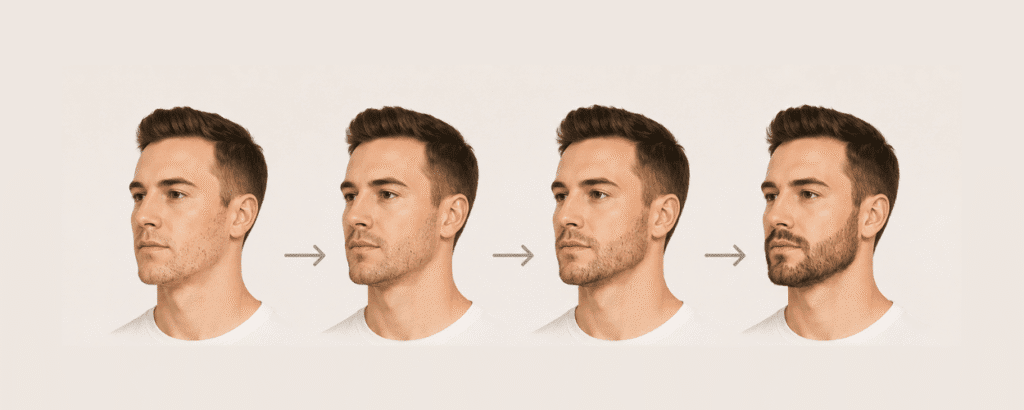
- 3–4 months: Early improvements may appear as fine, soft hairs at the temples, crown, or thinning areas. These may gradually thicken over time.
- 6–9 months: Noticeable improvements in density and volume are usually seen. Hair feels thicker, and thinning is less obvious.
- 12 months: Maximum benefit is typically achieved after one year of continuous use. At this stage, patients can clearly see whether minoxidil is effective for them.
If there is no visible improvement after 12 months, continued use is unlikely to provide additional benefits.
Combination Therapy
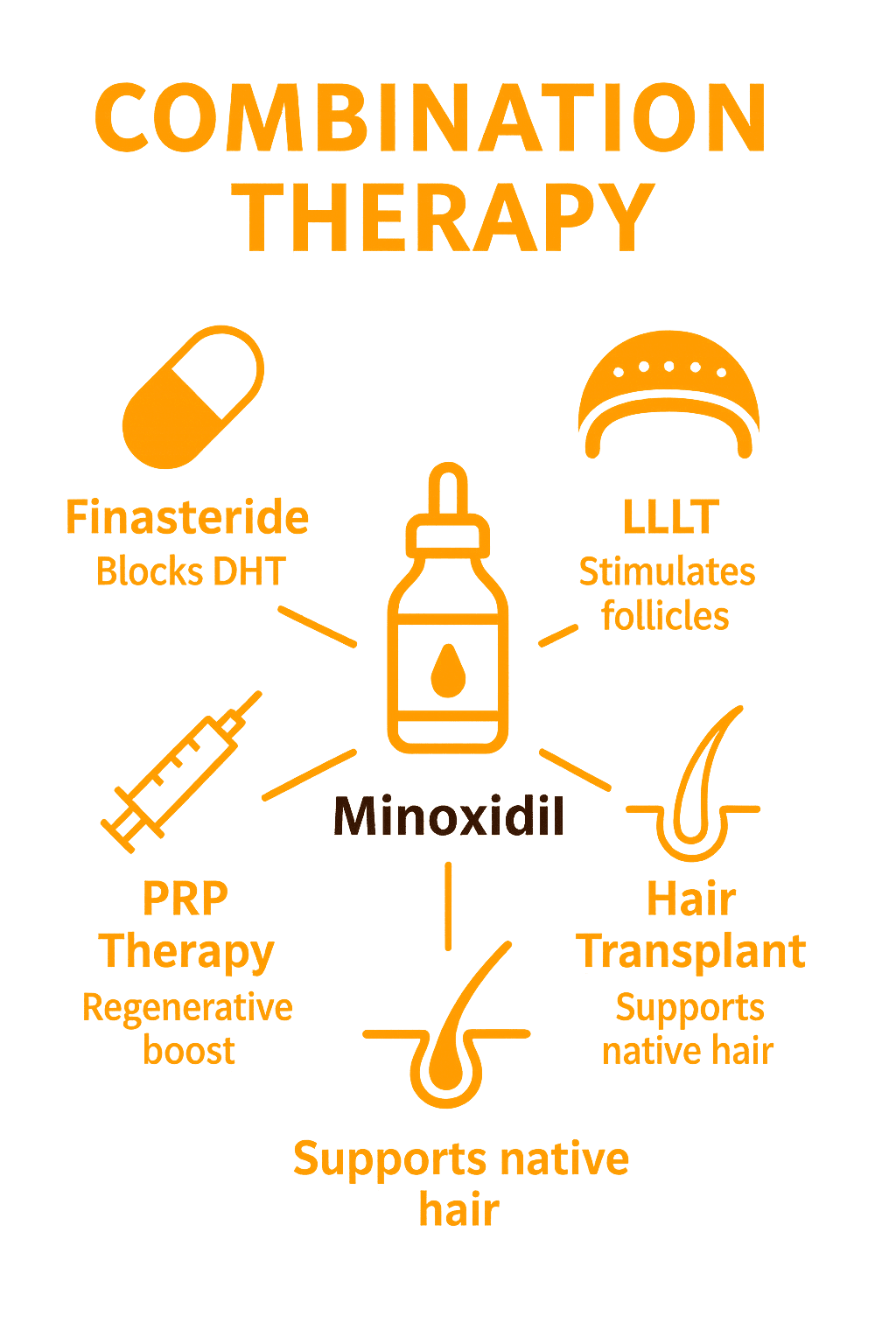
While minoxidil can work well on its own, it is often most effective when combined with other treatments:
- Finasteride: For men, combining minoxidil with oral finasteride (a DHT-blocker) produces better results than either treatment alone.
- Low-Level Laser Therapy (LLLT): Devices such as laser caps may further stimulate follicle activity when used alongside minoxidil.
- Platelet-Rich Plasma (PRP): In-clinic regenerative treatments can enhance results by improving follicle health and increasing response rates.
- Hair Transplant Surgery: Minoxidil is often used before and after a transplant to maintain native hair and support long-term results.
Who Responds Best to Minoxidil?
- Younger patients in the early stages of hair thinning.
- Those with smaller areas of hair loss, particularly at the crown or mid-scalp.
- Patients who are consistent with daily application.
Unfortunately, minoxidil is less effective in patients with advanced baldness or those who start treatment after many years of hair loss.
Side Effects of Minoxidil
Minoxidil is generally well-tolerated, but like all medications, it can cause side effects. Most are mild and resolve with continued use or a change in formulation.
Common Side Effects
- Scalp irritation: Dryness, flaking, redness, or itching may occur, especially with the liquid formulation that contains propylene glycol. Switching to the foam version often reduces irritation.
- Shedding phase: Temporary hair shedding in the first few weeks is common and usually a sign that dormant follicles are being stimulated into a new growth cycle.
- Unwanted hair growth: In some cases, users may notice fine hair growth on the forehead, temples, or face if the medication drips or spreads beyond the scalp during application.
Less Common Side Effects
- Dizziness or headaches: Rare, but can happen due to its vasodilating effect.
- Changes in hair texture or colour: Some users report softer or curlier hair.
- Allergic reactions: Extremely rare, but possible with ingredients in the liquid solution.
Oral Minoxidil Considerations
Low-dose oral minoxidil, used off-label for hair loss, has a slightly different side effect profile. Reported effects include fluid retention, swelling in the ankles, increased heart rate, and body hair growth (hypertrichosis). Because of these risks, oral minoxidil should only be taken under the supervision of a dermatologist or specialist.
Safety and Contraindications
While minoxidil is safe for most adults, there are some important precautions:
- Pregnancy and breastfeeding: Not recommended.
- Heart disease or blood pressure disorders: Caution is advised, especially with oral minoxidil, since it can affect circulation.
- Children and under-18s: Not suitable.
- Medication interactions: Oral minoxidil may interact with other antihypertensive drugs. Always disclose your full medical history to your doctor before starting.
Practical Tips for Success
- Consistency is everything: Skipping doses reduces effectiveness.
- Expect a shed: Do not stop treatment if shedding happens in the first 2–8 weeks.
- Combine treatments: For men, pairing with finasteride can significantly improve results.
- Be patient: Results usually take 6–12 months.
- Plan long-term: If you stop using minoxidil, any regrown hair is typically lost within 3–6 months.
Minoxidil vs. Finasteride
Minoxidil and finasteride are the two most commonly prescribed medications for hair loss, but they work in very different ways:
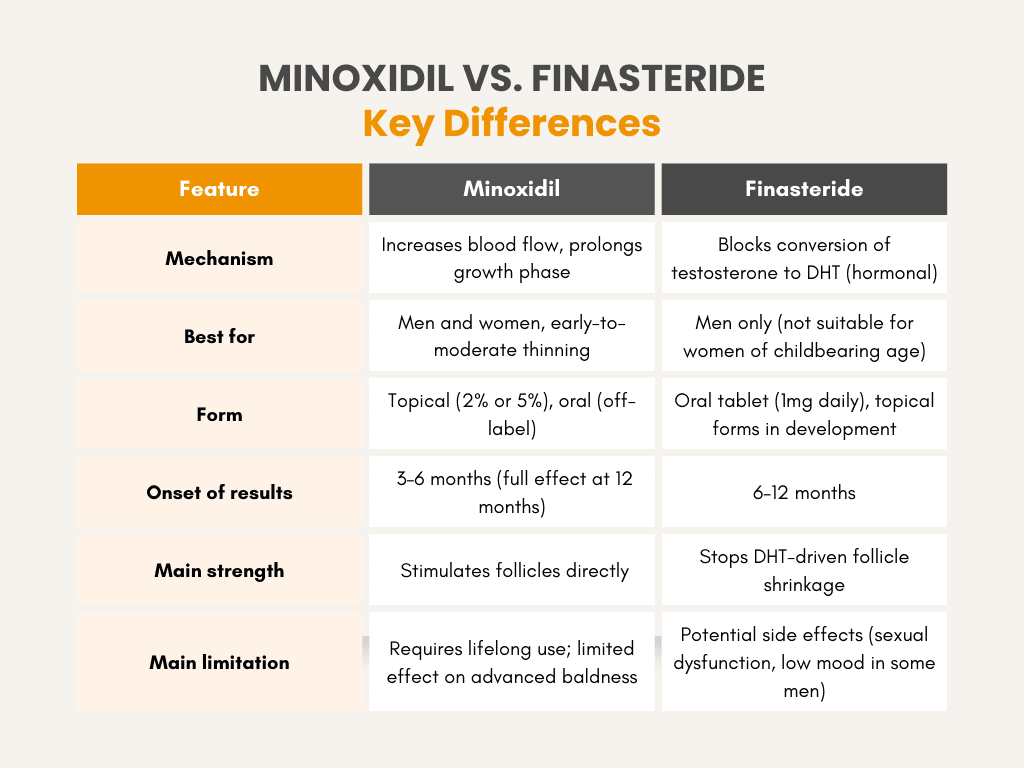
Together is better: Research shows that combining minoxidil with finasteride can lead to better results than using either treatment alone. This is because they tackle hair loss from two different angles — circulation and hormones.
Minoxidil in Hair Restoration Plans
Minoxidil is rarely the sole solution for advanced hair loss. Instead, it is often part of a comprehensive treatment strategy:
- Before hair transplant surgery: Minoxidil helps preserve native hair, stabilise shedding, and improve scalp condition.
- After surgery: Surgeons may recommend minoxidil to support healing and reduce “shock loss” — temporary shedding of native hair around the transplant site.
- Non-surgical management: For patients not yet ready for a transplant, minoxidil can be combined with finasteride, PRP therapy, or LLLT for a multi-pronged approach.
At Capital Hair Restoration, we prescribe a 7% minoxidil solution for men as standard, offering stronger follicle stimulation compared to the 5% products commonly available over the counter. This medical-grade option is tailored for male pattern baldness and is supported with professional monitoring to ensure both safety and results.
FAQs About Minoxidil
- Can women use minoxidil?
Yes. Women are typically prescribed 2% topical solution twice daily or 5% foam once daily. Minoxidil is one of the few medically approved options for female pattern hair loss. - Will I lose my hair if I stop using minoxidil?
Yes. Any regrowth achieved will shed within 3–6 months of stopping treatment, and hair will return to its pre-treatment state. - Does minoxidil work on the hairline?
It is most effective on the crown and mid-scalp, but some patients see improvement at the temples and hairline, particularly with consistent use. - How long do I need to use minoxidil?
Indefinitely. Minoxidil manages hair loss rather than curing it, so ongoing use is necessary to maintain results. - Can I use styling products with minoxidil?
Yes, but always allow the medication to dry fully (around 20–30 minutes) before applying gels, waxes, or sprays. - What happens if I miss a dose?
Apply it as soon as you remember, but never double the dose. Missing occasionally won’t ruin results, but consistency is important. - Does oral minoxidil work better than topical?
Studies suggest that low-dose oral minoxidil can be more effective for some patients, especially if topical treatments cause irritation. However, it carries more systemic risks and requires medical supervision.
Your Next Step
Minoxidil remains one of the most effective and widely used non-surgical treatments for hair loss. For many patients, it can help slow progression, improve density, and preserve existing hair for years. However, it is not the right solution for everyone, and the best results are often achieved when treatment is tailored to your individual pattern of hair loss.
At Capital Hair Restoration, we help patients understand whether Minoxidil is likely to benefit them, how it compares to other treatment options, and whether a combination approach may produce better long-term results.
During your consultation, we will:
- Assess your current pattern of hair loss
- Discuss whether Minoxidil is suitable for your situation
- Explain the benefits and limitations of treatment
- Compare Minoxidil, Finasteride, PRP, LLLT, and hair transplant options
- Create a personalised hair restoration plan tailored to your goals
Consultations are available across the UK, including Harley Street, London, Chelmsford, Cambridge, Guildford, Reading, Watford, Portsmouth, and Southampton.
The earlier hair loss is addressed, the more treatment options are typically available. Whether Minoxidil is the right choice on its own or as part of a wider treatment strategy, having a clear plan can make a significant difference to your long-term results.
Book your free consultation today and discover whether Minoxidil, Finasteride, or another treatment approach is the best option for your hair loss and long-term goals.
References
- NHS UK. Minoxidil for hair loss. Available at: https://www.nhs.uk/medicines/minoxidil/
- NHS UK. Hair loss (male and female pattern baldness). Available at: https://www.nhs.uk/conditions/hair-loss/
- British Association of Dermatologists. Minoxidil (Patient Information Leaflet). Available at: https://www.bad.org.uk/pils/
- Olsen EA, Dunlap FE, Funicella T, et al. A randomized clinical trial of 5% topical minoxidil versus 2% topical minoxidil and placebo in the treatment of androgenetic alopecia in men. J Am Acad Dermatol. 2002;47(3):377–385.
- Lucky AW, Piacquadio DJ, Ditre CM, et al. A randomized, placebo-controlled trial of 5% and 2% topical minoxidil in the treatment of female pattern hair loss. J Am Acad Dermatol. 2004;50(4):541–553.
- Rossi A, Cantisani C, Scarnò M, et al. Minoxidil use in dermatology, side effects and recent patents. Recent Pat Inflamm Allergy Drug Discov. 2012;6(2):130–136.
- Suchonwanit P, Thammarucha S, Leerunyakul K. Minoxidil and its use in hair disorders: a review. Drug Des Devel Ther. 2019;13:2777–2786.
- Gupta AK, Charrette A. Topical minoxidil: systematic review and meta-analysis of its efficacy in androgenetic alopecia. Skinmed. 2015;13(3):185–189.
- Badri T, et al. Minoxidil topical. In: StatPearls [Internet]. Treasure Island (FL): StatPearls Publishing; 2023.
- Blume-Peytavi U, Hillmann K, Dietz E, Canfield D, Garcia Bartels N. A randomized, double-blind, placebo-controlled trial assessing the efficacy and safety of minoxidil foam 5% in women with androgenetic alopecia. J Am Acad Dermatol. 2011;65(6):1126–1134.


Book Your Free Hair Transplant Consultation
Fill in your details and we'll get in touch with you shortly.